Once I first heard advertisements have been coming to ChatGPT, I wasn’t stunned. The platform already has an app store and integrated shopping into the chatbot, so advertisements appeared inevitable.
As somebody with my finger on the heart beat of AI, it’s clear that OpenAI does issues otherwise. ChatGPT has been riddled with privacy concerns and now with a campaign boycotting it completely, it’s clear the people-pleasing chatbot is using the wrestle bus – CEO Sam Altman even referred to as a “Code Red” this previous December to fend off a surging Google. However as an alternative of retreat, OpenAI has narrowed its focus, and this primary wave of fastidiously curated advertisers reveals precisely who OpenAI is betting on for its future.
Once I regarded nearer on the first wave of manufacturers testing promoting inside ChatGPT, one thing attention-grabbing jumped out. It wasn’t what they promote, however who they’re attempting to succeed in and what OpenAI thinks the “ChatGPT person” seems to be like.
Even at first look, that lineup doesn’t really feel random. There’s a transparent sample that all of them goal the “aspirational thinker.” None of those manufacturers are discount-only, impulse-buy merchandise. And none are edgy, controversial or constructed round shock worth.
The frequent thread all of the manufacturers share
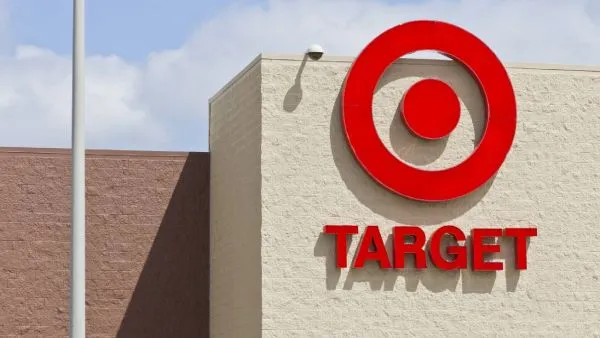
The primary wave of manufacturers slated to promote on ChatGPT all share a selected lane: mass-premium, taste-driven, self-improving.
Give it some thought:
- Adobe serves creators and digital professionals
- Audible appeals to readers, learners and podcast listeners
- Williams-Sonoma targets residence cooks who care about craftsmanship
- Goal has constructed an empire on “design for everybody”
- Mrs. Meyer’s sells aesthetic, ingredient-conscious cleansing merchandise
- Ford and Mazda place themselves round good practicality with fashion
- Even Audemars Piguet, the posh outlier, markets to status-conscious professionals who worth heritage and engineering.
The through-line? These manufacturers converse to individuals who see themselves as considerate, succesful and upwardly cell. In different phrases, the precise type of person who would possibly spend time inside ChatGPT.
It is clear OpenAI has a branding technique

Promoting inside a chatbot is completely different from putting a banner advert on a information website. ChatGPT customers aren’t passively scrolling. They’re actively asking questions, which creates the type of intent that’s pure gold for these particular manufacturers. Particularly ones constructed round enchancment, creativity and way of life optimization.
It’s not arduous to think about a person asking for assist designing one thing and seeing an Adobe placement. Or asking for guide suggestions and encountering Audible. In different phrases, these corporations aren’t betting on randomness. They’re betting on intent.
Who OpenAI thinks its viewers is

The one factor the primary ChatGPT advert manufacturers have in frequent isn’t business. It’s viewers. Collectively, they aim:
- Faculty-educated shoppers
- Higher-middle earnings households
- Artistic professionals and data staff
- Individuals who worth productiveness and self-improvement
- Consumers who care about aesthetics and model status
In brief, customers who care about aesthetics and model status. OpenAI is focusing on the “good, curious, barely aspirational” shopper. That tells us one thing vital about how OpenAI views its person base.
ChatGPT isn’t positioning itself as an anything-goes advert market; no less than not but. The early lineup suggests a fastidiously curated, brand-safe setting designed to draw corporations that need to affiliate themselves with intelligence, creativity and considerate decision-making.
Learn how to spot advertisements on ChatGPT (and learn how to keep away from them)

In case you’re apprehensive about pop-ups interrupting your circulate, you possibly can breathe a sigh of aid. OpenAI is taking a surprisingly conservative strategy to the UI. Based mostly on the preliminary rollout this week, right here is the breakdown:
- “Sponsored Suggestion” field: Advertisements do not seem contained in the AI’s paragraph. As an alternative, they reside in a devoted, flippantly tinted field on the very backside of the response.
- Labeling: Each advert is clearly marked with a “Sponsored” tag. It’s clear however designed to appear like a “Subsequent Step” suggestion moderately than a standard banner.
- “Bazaar” Carousel: For shopping-heavy queries (like “finest kitchen devices”), OpenAI is testing a horizontal carousel of merchandise. Consider it like a extra conversational model of Google Procuring, the place you possibly can swipe by choices from manufacturers like Williams-Sonoma or Goal with out leaving the chat.
- Contextual hyperlinks: In some circumstances, you’ll see sponsored citations. If the AI mentions a selected service to unravel your downside, a small “Sponsored” hyperlink would possibly seem subsequent to the model identify, directing you to a specialised touchdown web page.
In case you’re apprehensive about your AI responses being “purchased,” OpenAI has made a big promise: Advertisements won’t affect the core logic of the reply. The “natural” response is generated first; the advert is a separate unit injected on the backside.
Nonetheless, in order for you a very clear expertise, your choices are narrowing:
- The “Premium” protect: Upgrading to Professional ($200/month) stays the one official approach to maintain your workspace 100% ad-free. In case you’re on the brand new, mid-tier ChatGPT Go, and even Plus subscription ($20/month), count on to see “sponsored strategies” as a part of the deal.
- The “Search” toggle: Since most advertisements are tied to the “Search” characteristic, you possibly can typically keep away from them by explicitly telling ChatGPT “Do not search the net” for a selected immediate. If it stays offline, there’s no “search consequence” for an advert to latch onto.
- The personalization buffer: In your Settings > Knowledge Controls, you possibly can flip off “Chat Historical past & Coaching.” Whereas this does not take away advertisements, it prevents OpenAI from constructing a “purchaser profile” on you, guaranteeing that the advertisements you do see are based mostly solely in your present query, not your previous conduct.
Backside line
The arrival of advertisements in ChatGPT isn’t nearly monetization. It’s about identification. The manufacturers that present up first assist outline what a platform turns into. If the early wave had been crypto exchanges, playing apps or viral direct-to-consumer startups, the narrative would really feel very completely different.
As an alternative, we’re seeing reputation-conscious manufacturers that align neatly with a productivity-first, education-forward viewers. OpenAI appears to consider ChatGPT customers are good, intentional shoppers — they usually need to be a part of that second of determination.
Whether or not customers really feel the identical approach about advertisements coming into that house is the true query.

Observe Tom’s Guide on Google News and add us as a preferred source to get our up-to-date information, evaluation, and critiques in your feeds.